


Farm Wild, Feed Local: The Goodh Life Way
Words and photographs by Hanna Collins
Tucked away in the Tamar Valley, Goodh Life is a small farm doing something many of us say we want from our food system: producing high-quality food while looking after the land.
Run by Jade and Arthur, Goodh Life is based on a simple idea—food can be grown in a way that gives back more than it takes. The name comes from the Cornish word “goodh,” meaning wild, which says a lot about how they farm.

Arthur and his parents moved to the farm six years ago, Jade joined four and a half years later. Neither of them grew up farming, but both came to it through their backgrounds. Jade studied sustainable textiles, exploring natural fibres like hemp, flax and nettles—plants grown without pesticides. Arthur studied biology, and later worked for Natural England, where he advised farmers on how they could reduce pollution.
Both of them trained as teachers, and that combination—education and land-based work—runs through everything they do.
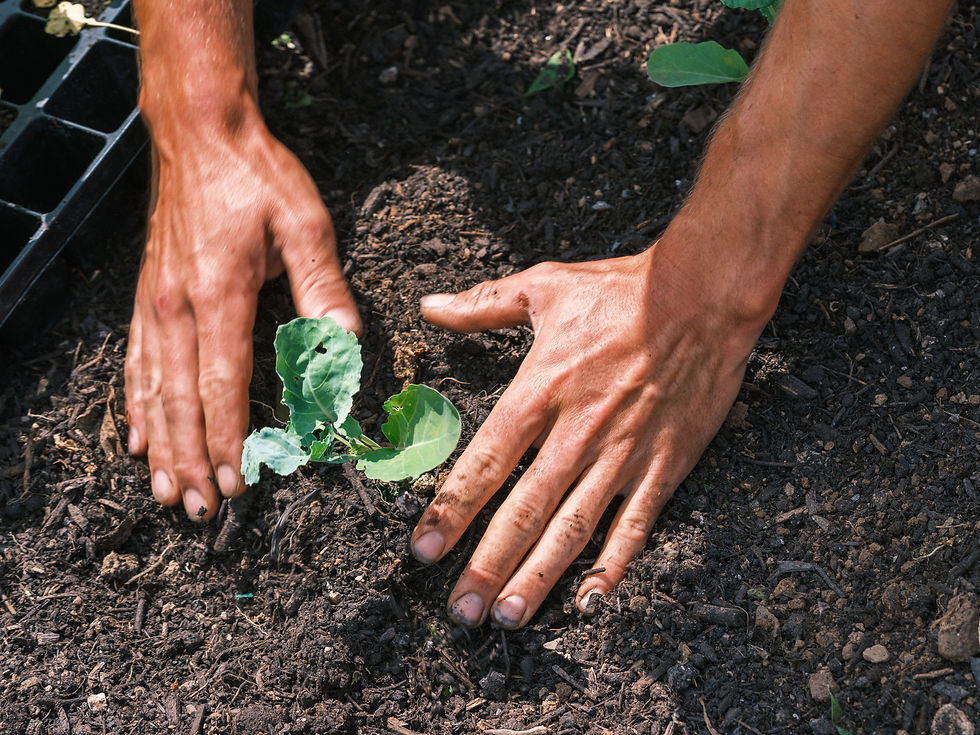
Their approach to farming combines food production with rewilding. They’ve introduced longhorn cattle (at very low stocking densities) and Tamworth pigs to roam the land, using their natural behaviours to disturb the soil and help create what's called a "woodland mosaic"—patches of pasture, young trees and shrubs that support a greater variety of wildlife.

As part of a Forest For Cornwall pilot project they have received financial and knowledgable support to develop agroforestry alleys. They were given funding for fruit trees and cactus guards that protect the naturally regenerating saplings that grow. (Special shout out to Ben Norwood for all his help!) They've also received stewardship funding to support their rewilding work—an encouraging example of public money supporting nature-positive farming.
But Goodh Life isn’t just about growing food. Jade and Arthur run a number of educational projects with local schools and charities. One of these is a project with the Real Bread Campaign where schoolchildren take on a small patch of the farm and grow wheat, harvest it, thresh it, mill it, and bake it into their own loaves. It’s called “Bake Your Lawn,” and it turns a humble patch of earth into the most satisfying sandwich you’ll ever eat.
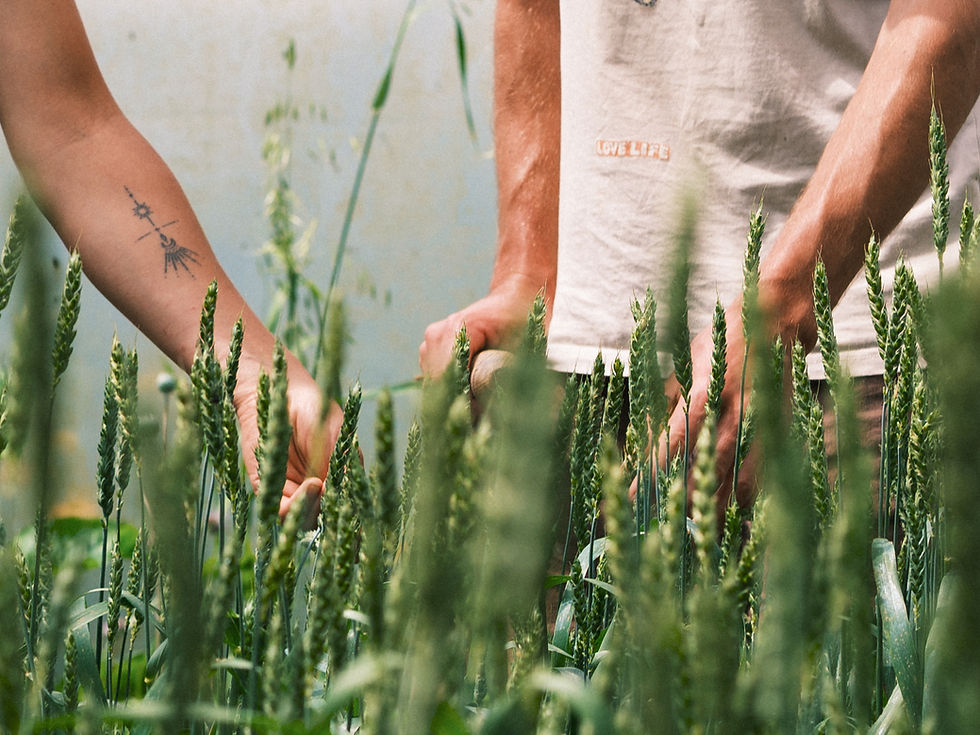
They also host pupils from local primary schools through a partnership with the St Barnabas Trust. Over the course of a week, children spend a night on the farm—camping, picking veg, cooking together, and learning about the natural world.
Together with Camp Wild, they run wildlife-focused camps too, where people can come and stay on the farm while helping with species monitoring and biodiversity surveys.
Of course, none of this happens without a way to get food to people. That was one of the biggest challenges at the start—how to take the food they were growing and get it to local customers without spending all their time on logistics and admin.
That’s where Tamar Grow Local came in.
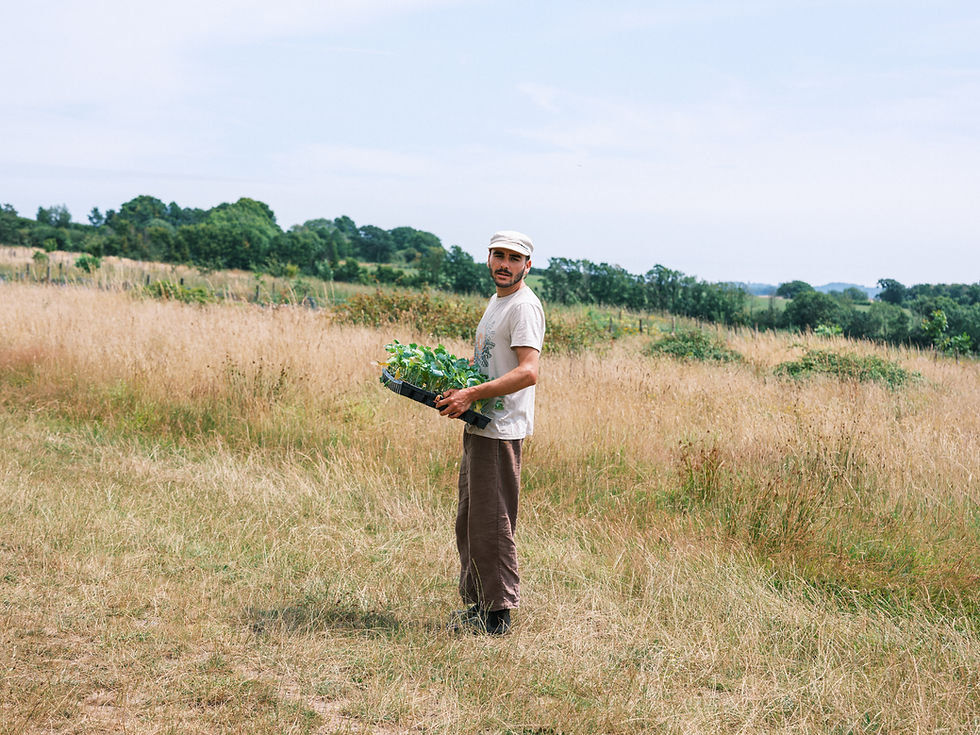
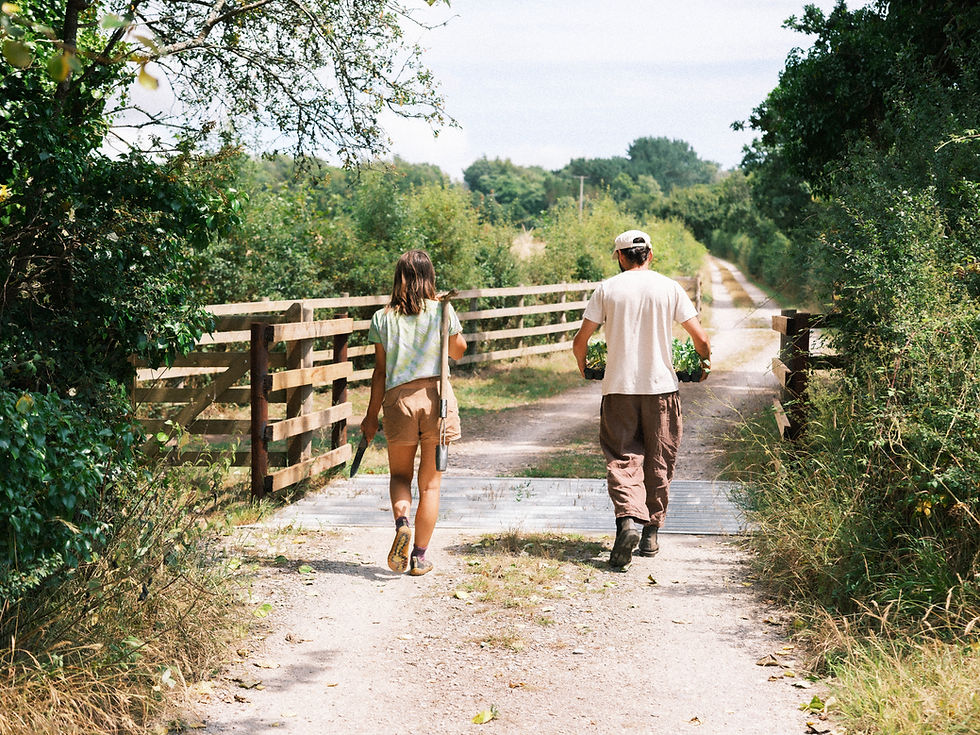
Through the Tamar Valley Food Hubs, Jade and Arthur were able to plug into an existing network of customers and support. They simply deliver their produce once a week, and the food hub takes care of everything else—marketing, orders, delivery. It’s a huge time-saver and gives them the space to focus on the land, the animals, and their educational work.
“Tamar Grow Local is so good because it can take care of everything so we can think, learn and work,” Arthur says.
They also sell through other local outlets like Maker Canteen, Millbrook Greengrocers Widdecombes, and The Good Food Loop—businesses that share their values and give customers an alternative to anonymous supermarket supply chains.
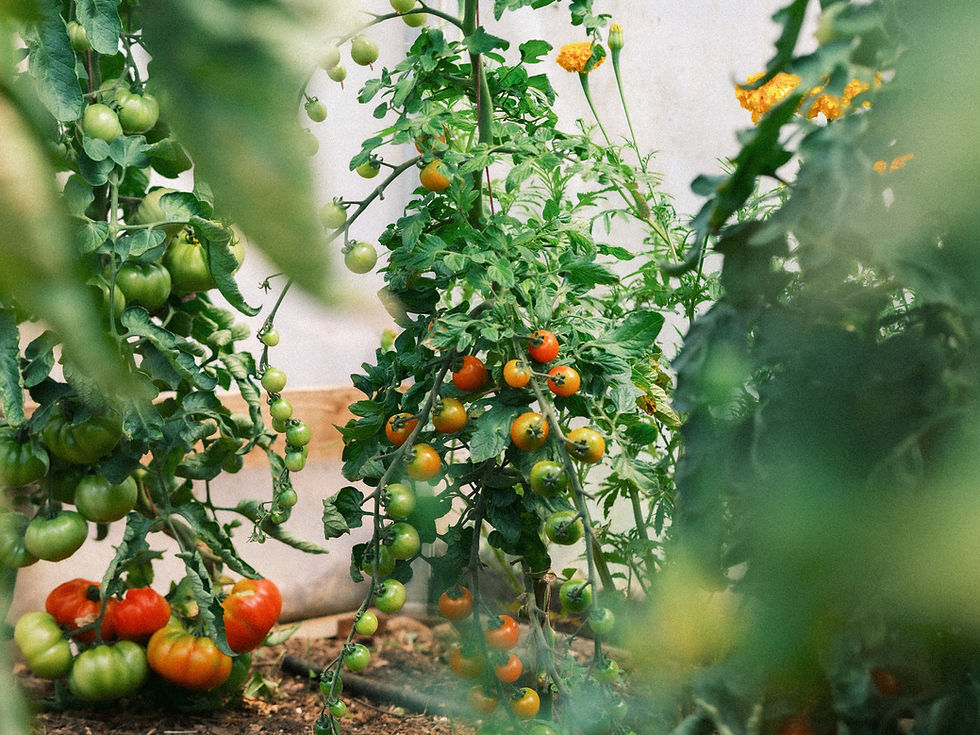
The truth is, farming like this is hard work. It’s physically demanding and often undervalued. Jade and Arthur are open about the fact that it can feel demoralising when the time and care they put in isn’t reflected in the price food fetches. Like many small-scale growers, they’re looking at ways to diversify—offering camping experiences, educational visits and other activities that create multiple income streams.
Still, there’s a lot they’re proud of. Being outdoors. Seeing the direct impact of their work. Building something that reflects their values. And doing it in a way that keeps nature at the centre, not as an afterthought.
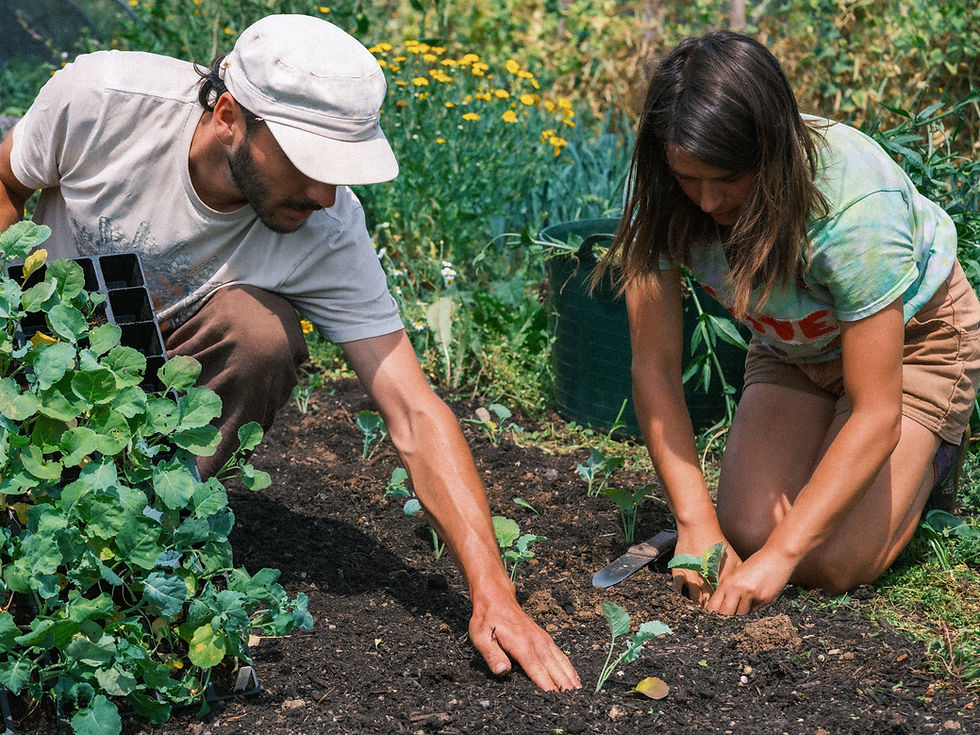
Jade and Arthur wanted to give a special mention to Arthur’s mum Perdita, “She is the driving force of the rewilding behind the scenes, and has helped us massively with the market garden, stepping in for deliveries and allowing us to take some time off, giving us loads of advice and inspiration, and for her genuine love of weeding. We couldn't do it without her!”
Alongside the support of their family and friends, the support of local customers—through Tamar Grow Local and other outlets—makes this kind of farming possible. When people choose to buy local, they’re not just supporting a single farm. They’re investing in a system that values food quality, land stewardship, and community over convenience and scale.
Goodh Life is one of many small farms across the region doing things differently. And with the right support, they’re proving that a better food system isn’t just an idea—it’s already happening.
If you’re interested in keeping touch and finding out more about Jade and Arthurs growing, camping and educational visits, find them here:
Find out more about Tamar Valley Food Hubs here: https://openfoodnetwork.org.uk/tamar-valley-food-hubs/shop#/shop_panel
More about Camp Wild here: https://www.campwild.uk/about
And more about me here :) (www.hannacollinsphotography.co.uk)


Comments